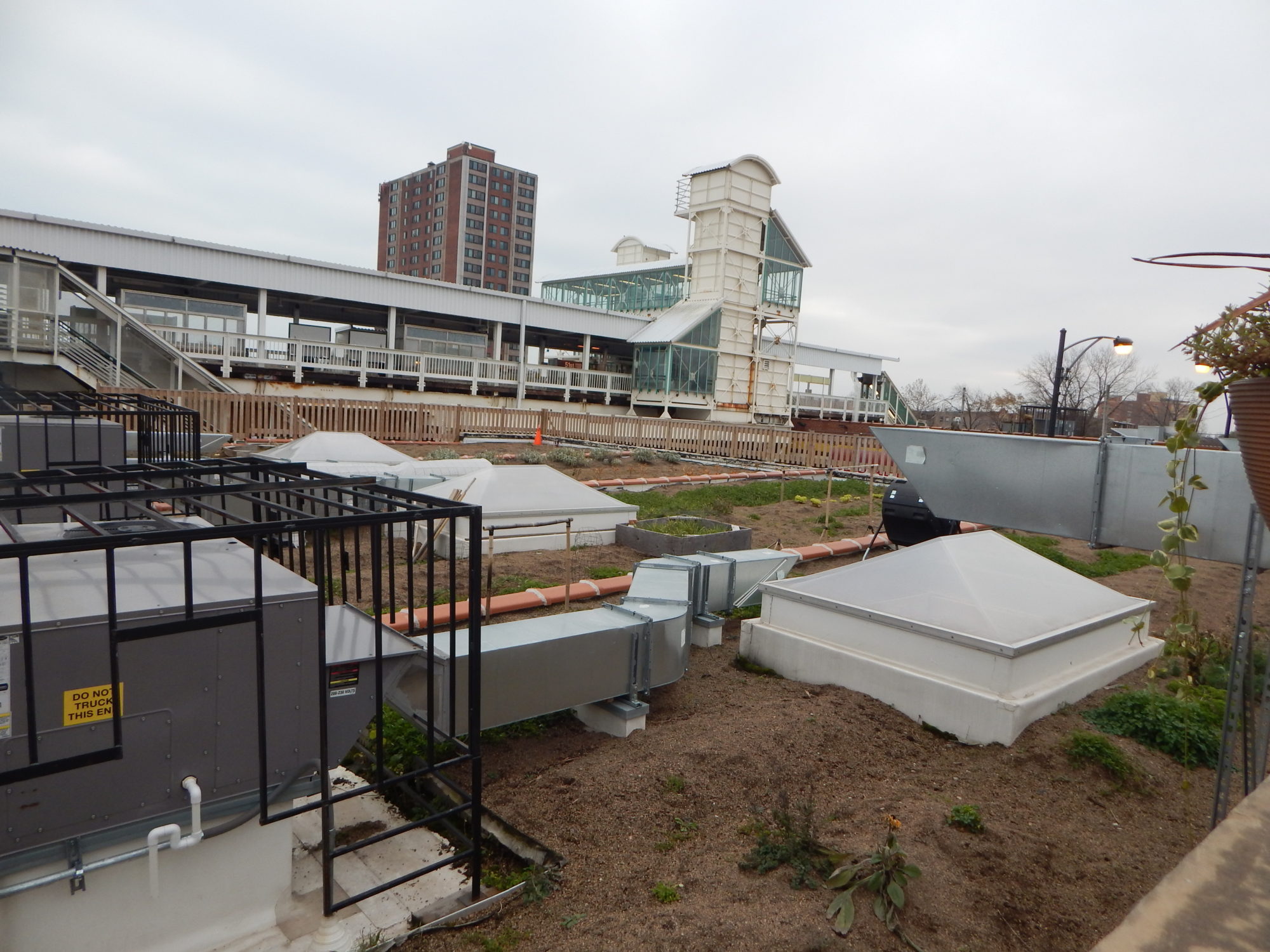
Many companies have adopted the idea of “going green” in conducting their internal affairs or as an overall focus for doing business. As a result, these companies often significantly minimize their environmental impact. In addition, companies that employ green building and maintenance practices enjoy a number of advantages, ranging from an enhanced public image to improved employee working conditions and a more robust bottom line.
Improved customer image
Customers are influenced in their purchasing decisions by whether a business shows environmental consciousness. For instance, Environmental Leader reported in 2007 that 72 percent of rental customers wanted hybrid vehicles included among rental car options. Nearly half of all cell phone customers consider a mobile carrier provider’s “green” credentials. In a tough housing market, 70 percent of potential home buyers were more inclined to purchase homes with “green” features, according a 2008 Green SmartMarket Report. Customers also tend to remain loyal to “green” companies during economic downturns.
Enhanced worker productivity
The U.S. Environmental Protection Agency (EPA) defines “sick building syndrome” to refer to health-related complaints by workers that cannot be attributed to a particular cause but which are present in an indoor environment. A similar condition, “building related illness,” applies to health-related complaints directly related to airborne contaminants. Symptoms of “sick building syndrome” and “building related illness” include respiratory distress, headache, fatigue and dizziness, according to the EPA. A survey of 100 office workers conducted by the American Society of Heating, Refrigerating, and Air-Conditioning Engineers (ASHRAE) revealed that 23 percent suffered symptoms related to “sick building syndrome.”
Photo Credit: Audrey F. Henderson — all rights reserved
The nationwide cost in lost productivity related to “sick building syndrome” amounts to 2 percent annually, according to New York Real Estate Journal. Increasing indoor ventilation and reducing the indoor concentration of carbon dioxide to meet the standards established by LEED V3 diminishes complaints related to “sick building syndrome,” according to research conducted by Lawrence Berkeley National Laboratory in California. LEED V3 standards for indoor ventilation call for a 30 percent increase above the 2007 ASHRAE 62.1 ventilation standard of 20 cubic feet per minute (CFM) per person. Substituting nontoxic building materials, cleaning supplies and office equipment that do not emit volatile organic compounds (VOCs) greatly reduces airborne contaminants related to “building related illness.”
Indoor temperature and light conditions also affect worker productivity, either favorably or adversely. Workers subjected to poor temperature control (whether too hot or too cold) suffered slowed reaction times. In contrast, a Lockheed facility in California that reduced artificial indoor lighting by 75 percent in favor of increased natural light experienced a 15 percent increase in worker productivity, according a report by the Rocky Mountains Institute.
Increased bottom line benefits
As of 2007, the value of the worldwide “green” business market was $600 billion. Industry giants such as Wal-Mart, Toyota and Du Pont have embraced environmentally conscious business practices, as much to reduce their operating costs, increase market share and gain a larger profit margin as to enhance their “green” credentials. Federal, state and local tax incentives also exist for businesses to adopt energy saving measures, purchase environmentally conscious vehicles or construct and maintain “green” buildings,. Businesses could also gain tax credits and deductions for installing “green” heating, cooling and lighting systems, according to the Tax Incentives Assistance Project.
For Further Reading
- Business.gov: Financing Energy Efficiency Projects
- Lawrence Berkeley National Laboratory: Publications
- McGraw-Hill Construction Analytics: The Green SmartMarket Report
- MoreBusiness.com: Green Business Benefits — Energy Efficient Small Business
- The Tax Incentives Assistance Project: State and Utility Incentives
- The Tax Information Assistance Project: Businesses and Non Profits FAQ
- U.S. Green Building Council: What LEED Is
- U.S. Green Building Council, Central Florida Chapter: What is LEED?